
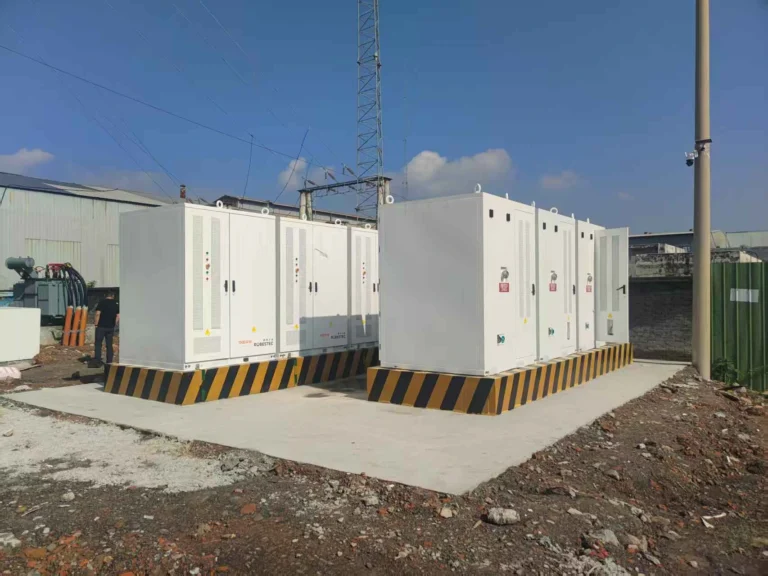
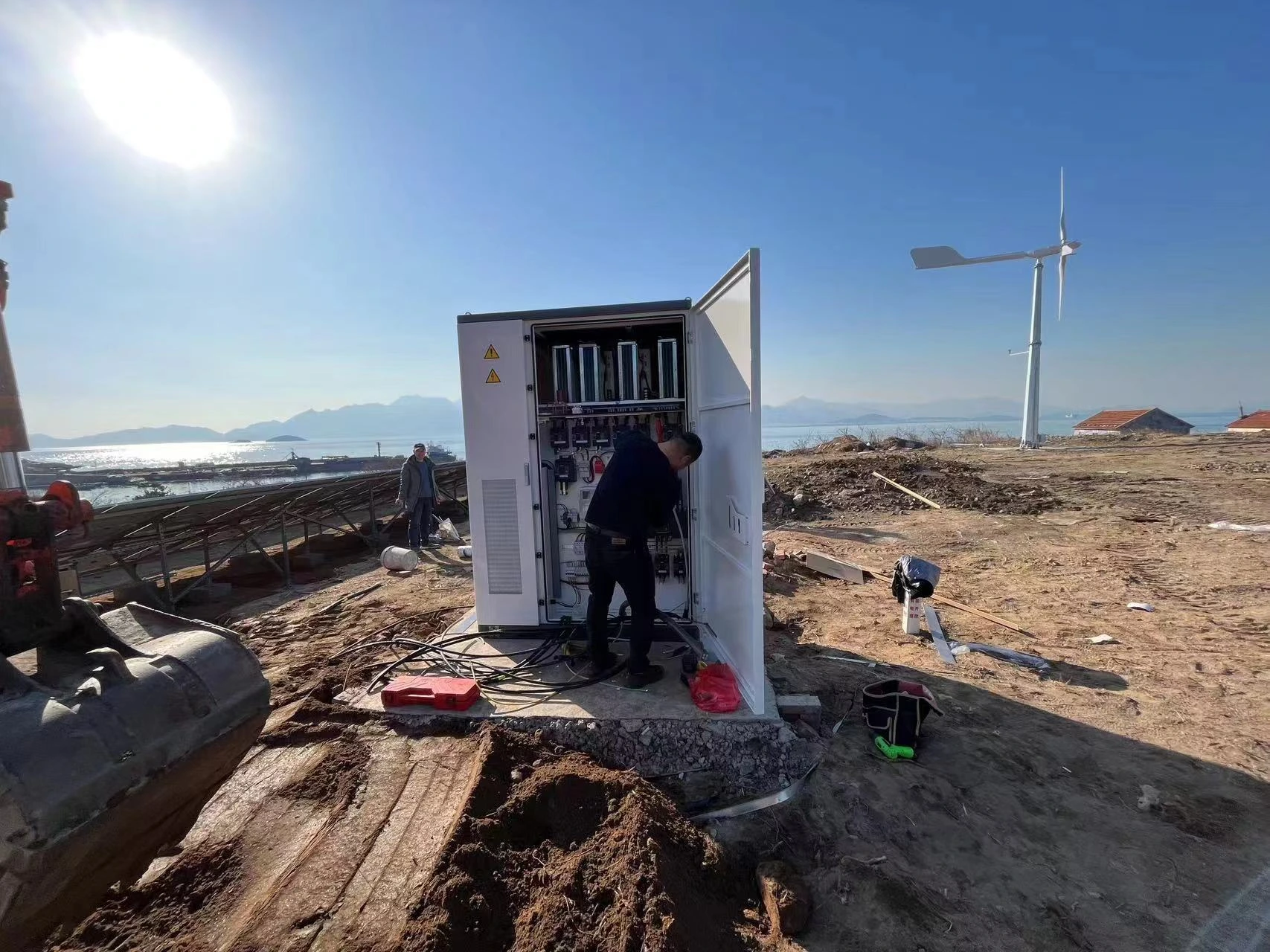

We define the overall system structure of C&I energy storage projects, including topology, power configuration, control logic, and operational boundaries—before procurement or construction begins.
We support owner-side technology decisions by aligning technical requirements, compliance pathways, and supply chain risks—without promoting specific brands.
We help projects reach construction readiness by aligning EPCs, grid requirements, and technology providers around a clear and shared system definition.
Because they’re the ones stuck in the gap — and ready to break through.
Business owners and small-scale EPC & Installers want to upgrade to clean energy, but the path is messy: limited know-how, no direct access to factories, and way too much scattered information.
That’s where WE step in.
We bridge the gap with real guidance, real solutions, and real supply-chain access — turning their energy upgrade from “Where do I even start?” into “Let’s go.”
Understand site conditions, load profile, grid context
Clarify owner priorities: cost, reliability, flexibility, scalability
Identify regulatory and grid-side constraints early
Define power and energy boundaries
Identify operational constraints (grid limits, safety margins)
Set redundancy and fallback logic at system level
Define system topology and control hierarchy
Clarify interaction between PCS, BMS, EMS
Establish operational priority logic (safety vs. performance)
Translate system design into technical requirements
Align technology options with compliance pathways
Coordinate vendor interfaces from owner perspective
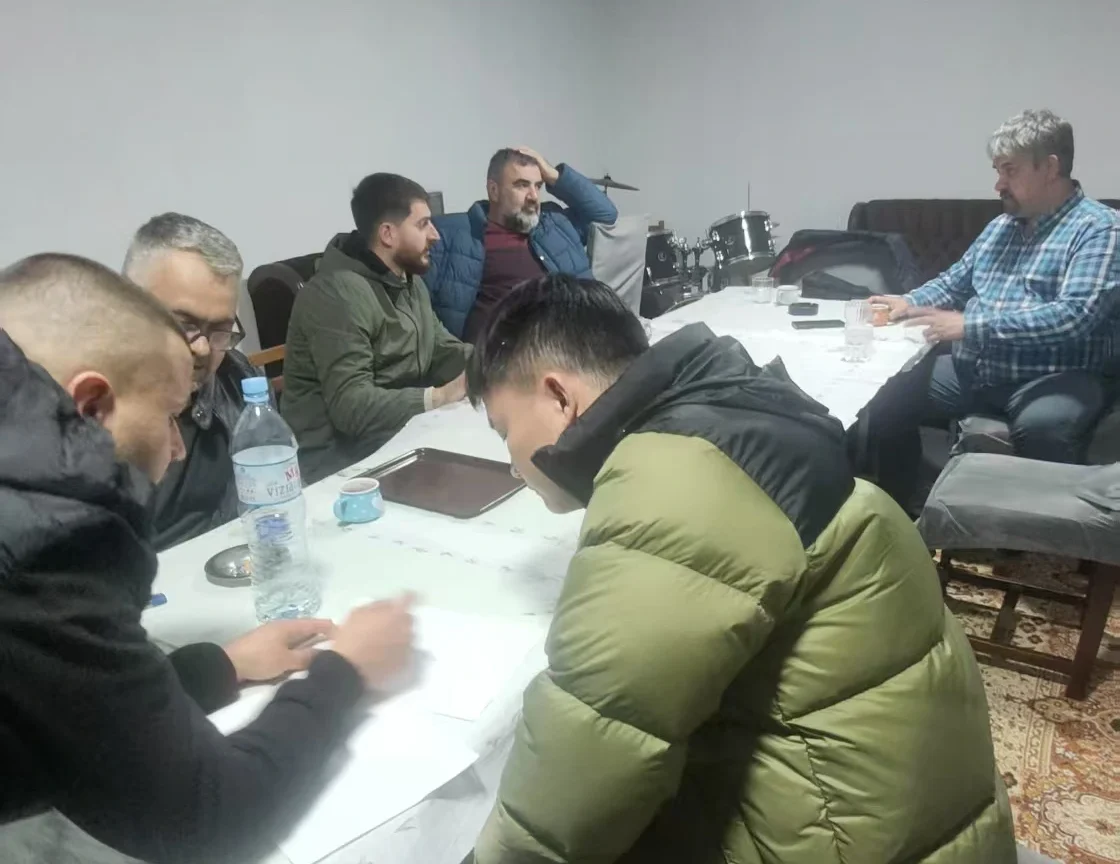
Align EPC, DSO, and technology providers
Identify interface risks before construction
Confirm construction-ready system definition
Deliver a clear system definition package
Document operational assumptions and boundaries
Define non-binding upgrade pathways for future flexibility